Namkeen – Traditional Indian Snacks Made Healthier
Namkeen is an inseparable part of Indian food culture. From evening tea-time snacks to festive platters, namkeen has evolved from a simple savory treat into a wide variety of regional specialties enjoyed across India. Today, consumers are not only looking for taste, but also health, ingredient quality, and authenticity in the namkeen they choose.
At Rajasthan Healthy Food, we combine traditional namkeen recipes with modern food safety and healthier oil practices to deliver snacks that are both delicious and responsible.

What Is Namkeen?
Namkeen refers to a category of savory Indian snacks, usually fried or roasted, seasoned with spices and herbs. The word “namkeen” literally means salty, but in Indian cuisine it represents much more—texture, aroma, spice balance, and regional identity.
Namkeen is known by different names and styles across India:
-
Sev & Bhujia in Rajasthan and Gujarat
-
Ratlami & Indori Namkeen in Madhya Pradesh
-
Chivda & Mixtures in Maharashtra
-
Spiced lentil snacks across North India
Each region adds its own signature spices, shapes, and preparation methods.
Types of Namkeen in India
India offers a wide variety of namkeens, each known for its unique taste, texture, and regional identity. From crispy sev and spicy bhujia to crunchy chivda and flavorful mixtures, namkeens are a staple in Indian snacking culture. These savory snacks are enjoyed with tea, during travel, at festivals, and as everyday munching options across the country. Exploring the different types of namkeens in India reveals the rich diversity of traditional flavors loved by every generation.
-
Sev Namkeen
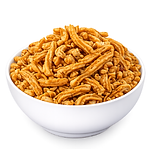
Sev namkeens are among the most popular Indian savory snacks, known for their thin, crispy texture and spicy flavor. Made mainly from gram flour and traditional spices, sev is enjoyed on its own as well as in chaats and snack mixes. Different varieties of sev namkeen, such as plain sev, masala sev, and ratlami sev, are loved across India. Sev namkeens are a perfect tea-time snack, offering a delicious blend of crunch, taste, and tradition.
-
Bhujia Namkeen
Bhujia namkeen is one of India’s most loved crunchy snacks, famous for its spicy taste, crisp texture, and traditional flavor. Made with gram flour, moth beans, and aromatic spices, bhujia namkeen is a perfect choice for tea-time and festive snacking.From Bikaneri bhujia to masala bhujia, this classic Indian namkeen is enjoyed across households for its irresistible taste. Explore the best bhujia namkeen varieties and discover why this savory snack remains a favorite all over India.
-
Mixture Namkeen
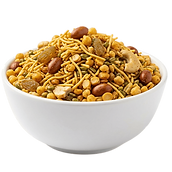
Mixture namkeens are a popular Indian snack made with a tasty blend of sev, boondi, peanuts, pulses, and traditional spices.
Known for their crunchy texture and spicy flavor, mixture namkeens are perfect for tea-time, travel, and festive snacking.
From spicy mixture to dry fruit mixture and South Indian mixes, these namkeens offer a delicious variety for every taste.
Explore the best mixture namkeens in India and enjoy a savory snack that combines flavor, crunch, and tradition in every bite.
-
Moong Dal Namkeen
Moong dal namkeen is a light, crispy, and flavorful Indian snack loved for its crunchy texture and roasted taste. Made from split moong lentils and mild spices, moong dal namkeen is a perfect choice for healthy tea-time snacking. This popular namkeen is enjoyed across India for its delicious taste, easy digestibility, and satisfying crunch. Explore the best moong dal namkeen varieties and enjoy a traditional snack that blends health, taste, and freshness.
-
Ratlami & Indori Namkeen
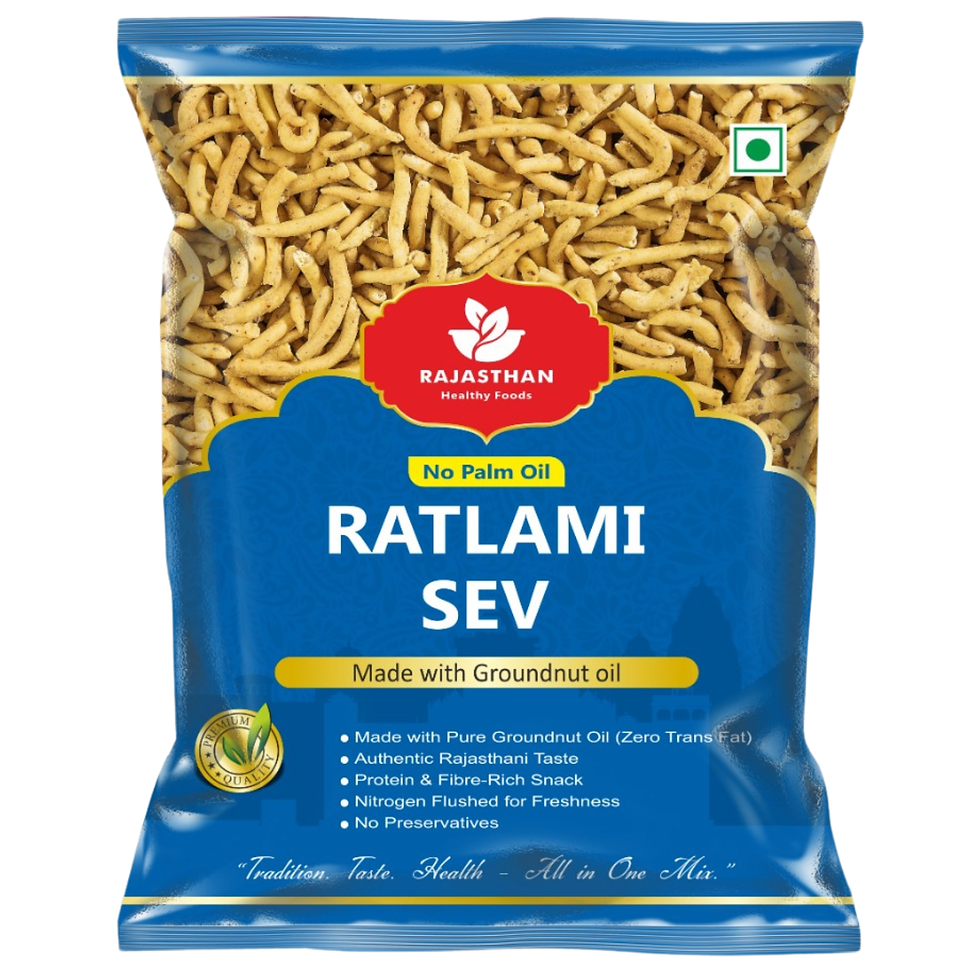
Ratlami namkeen is a famous Indian savory snack known for its spicy flavor, thick texture, and bold traditional taste. Originating from Ratlam in Madhya Pradesh, this popular namkeen is made with gram flour, spices, and a signature clove-pepper kick. Ratlami sev namkeen is loved across India for its crunchy bite and rich masala flavor that makes every snack time special. Explore the authentic taste of Ratlami namkeen and discover why it remains a favorite among spicy snack lovers.
How Namkeen Is Traditionally Made
Traditional namkeen preparation is a craft passed down through generations:
-
Ingredient Selection – High-quality flour, lentils, and whole spices
-
Dough Preparation – Carefully balanced moisture and seasoning
-
Frying Technique – Controlled temperature for crispiness
-
Spice Coating – Freshly ground spices added post-frying
The oil used during frying plays a crucial role in taste, aroma, shelf life, and health impact.
Why Oil Quality Matters in Namkeen
Most mass-produced namkeens today rely on cheap refined or palm-based oils, which compromise long-term health.
Groundnut Oil vs Palm Oil in Namkeen
The quality of oil used in namkeen plays a crucial role in both taste and health. Groundnut oil has been traditionally preferred in Indian namkeen making because of its balanced fat profile and natural stability, which helps maintain crispiness while enhancing the authentic flavor of spices. It is naturally free from trans fats, easy to digest, and supports better heart health when consumed in moderation.
On the other hand, palm oil is commonly used in mass-produced namkeens due to its low cost and long shelf life. However, it contains high levels of saturated fats, which can make snacks heavier on digestion and less suitable for regular consumption. Palm oil also tends to mask the natural aroma and taste of traditional spices, reducing the overall eating experience.
At Rajasthan Healthy Food, we choose pure groundnut oil for our entire namkeen range to preserve traditional taste while offering a healthier alternative. This commitment ensures better flavor, improved digestibility, and a cleaner nutritional profile—without compromising on crunch or authenticity.
Is Namkeen Healthy?
Namkeen can absolutely be part of a balanced diet—if made right.
Healthy namkeen depends on:
-
Quality of oil used
-
Absence of trans fats
-
Natural spice blends
-
Hygienic processing
-
Controlled portion sizes
Choosing namkeen made with pure groundnut oil, no palm oil, and clean ingredients makes a significant difference.
How to Choose the Right Namkeen Brand
Before buying namkeen, consider these factors:
-
Oil transparency – Is the oil clearly mentioned?
-
No palm oil – Avoid vague “edible oil” labels
-
Zero trans fat – Essential for long-term health
-
Traditional recipes – Authentic taste without artificial flavors
-
Modern hygiene standards – Clean, controlled manufacturing
Very few brands in India commit to using groundnut oil across their entire namkeen range—this is where Rajasthan Healthy Food stands apart.
Why Rajasthan Healthy Food Namkeen Is Different
-
100% Pure Groundnut Oil across all namkeens
-
Zero Trans Fat formulation
-
No palm oil, no compromise
-
Traditional spice profiles inspired by Rajasthan
-
Modern, hygienic manufacturing standards
-
Balanced taste with health-first philosophy
Our mission is simple:
Keep Indian snack traditions alive—without sacrificing health.
Buy Premium Namkeen Online
You can explore our complete range of traditional and healthy namkeens directly on our website or through leading online marketplaces. Whether you prefer sev, bhujia, mixtures, or lentil snacks, our products are crafted to deliver authentic taste with better nutrition.
👉 Explore our Namkeen Collection
👉 Discover Healthy Snack Alternatives
Frequently Asked Questions About Namkeen
Q1. What is namkeen made of?
Namkeen is typically made from gram flour, lentils, peanuts, spices, and edible oil.
Q2. Is namkeen unhealthy?
Namkeen made with low-quality oil can be unhealthy. Namkeen prepared in pure groundnut oil with zero trans fat is a better choice.
Q3. Which oil is best for namkeen?
Groundnut oil is traditionally preferred for its taste, stability, and healthier fat profile.
Q4. Can namkeen be eaten daily?
Yes, in moderation and when made using high-quality ingredients and oil.
Final Note
Namkeen is not just a snack—it is a tradition. By choosing better ingredients and responsible manufacturing, we can enjoy the flavors we love without compromising on health.
Rajasthan Healthy Food is proud to lead this change.








.png)